

Following Pike Through the Wetland
Giving Each Pike a Unique Identity
By monitoring and tagging individual pike, we can follow their journeys over time and gain a better understanding of how they use the wetland and surrounding waters. The project will provide valuable information about pike ecology, movement patterns, growth, and whether individual fish return to the same spawning areas year after year, a behaviour known as homing.
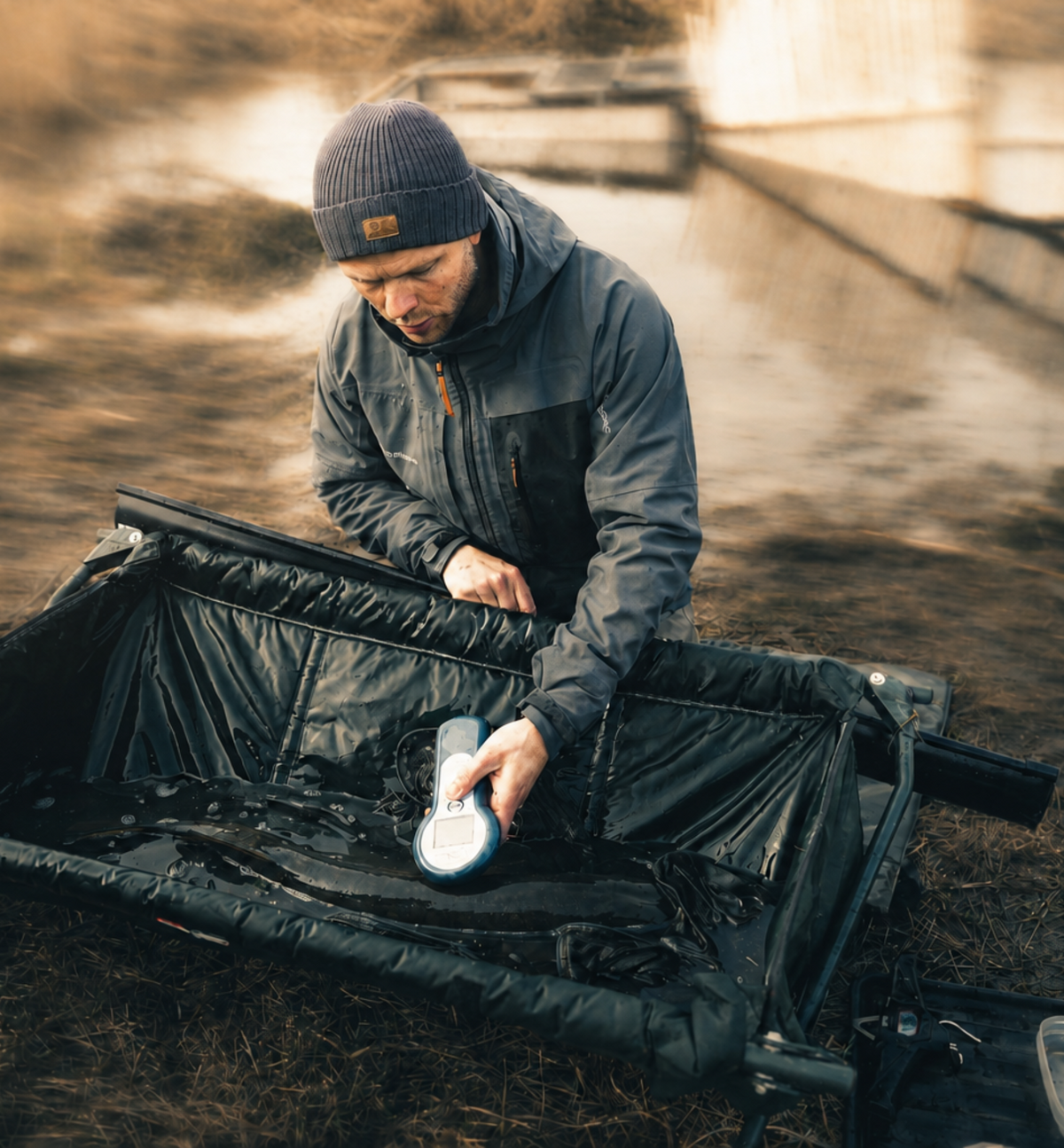
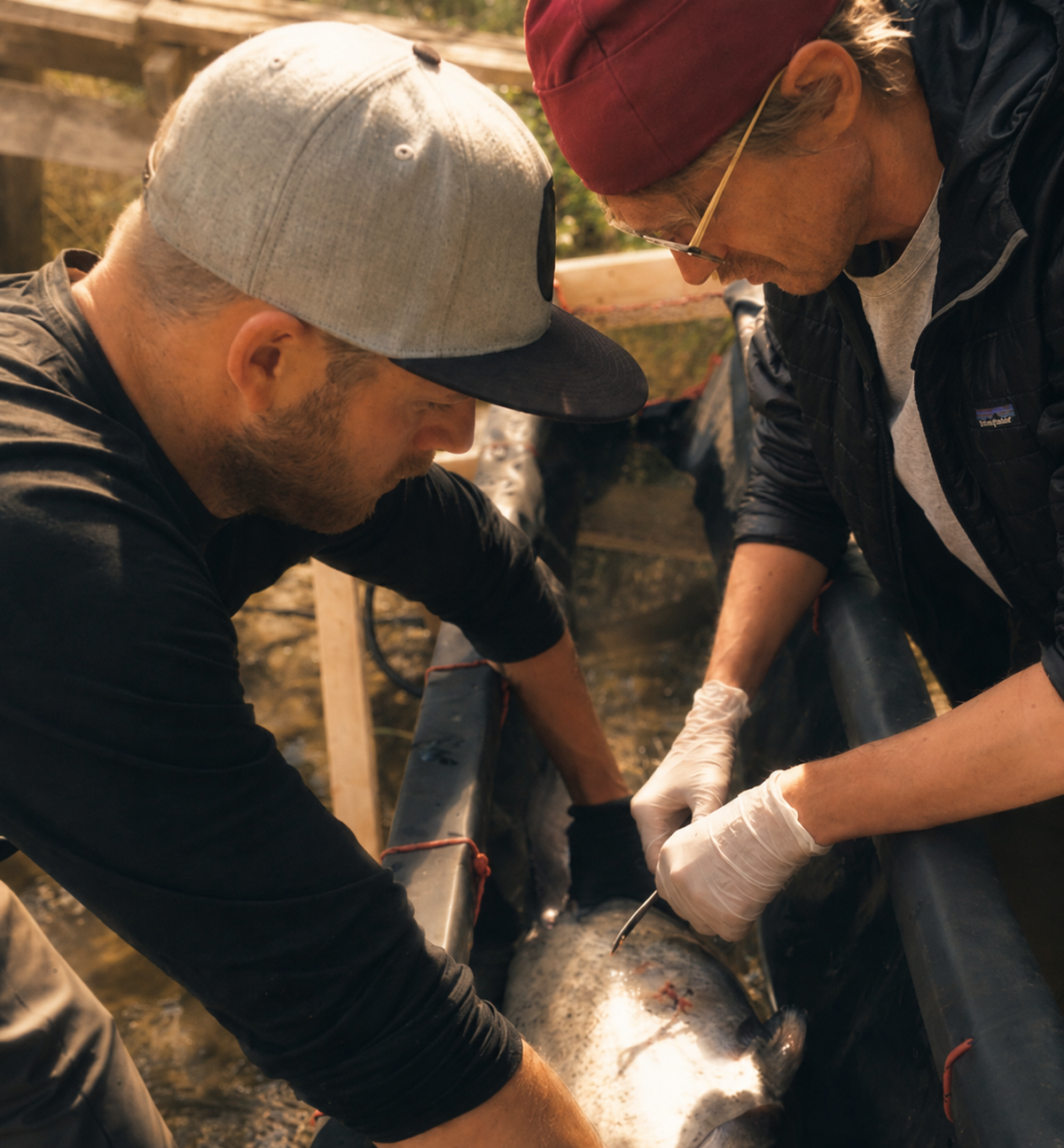
As part of the project, pike will be caught in a fish trap and fitted with a small PIT tag (Passive Integrated Transponder). Each tag carries a unique identification number, giving every tagged pike its own individual identity. The PIT tag is placed in the fish's abdominal cavity and remains with the fish after it is released. Whenever the pike is detected again, researchers can identify the individual and begin building a picture of its movements and development over time.
Pike caught during the monitoring project are fitted with a PIT tag, which is placed in the abdominal cavity. Each tag has a unique ID number that allows individual fish to be recognised when detected again.
Following Returning Fish
The tags can be detected using a handheld scanner or by a stationary PIT-tag reader installed together with a fish camera near the wetland outlet. The fish camera at Hemmesta Sjöäng has already been monitoring the spawning migration of fish for the past three years. This project takes that monitoring one step further. By combining the camera with PIT-tag technology, it will be possible not only to see fish passing through, but also to recognise previously tagged individuals.
This means that when a tagged pike returns, researchers can identify exactly which fish it is. Over time, these repeated observations can reveal where pike move, how much they grow, and whether the same individuals return to Hemmesta Sjöäng to spawn.
The fish camera is installed just downstream of the wetland outlet. A PIT-tag reader will be added to the system, allowing individually tagged fish to be identified as they pass the camera.
Building a More Complete Picture
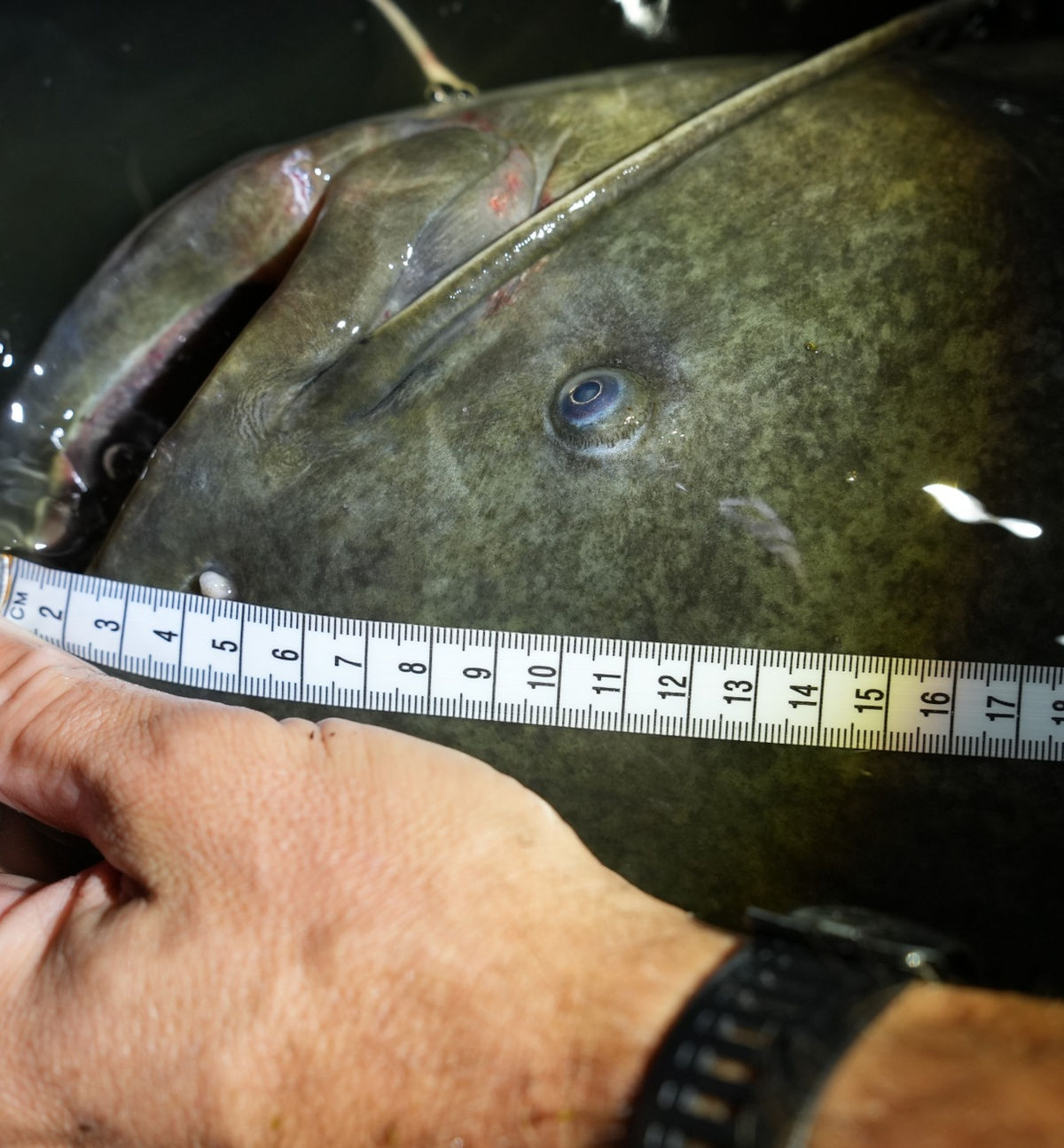
PIT-tag data will be combined with additional information collected from each fish. Researchers will record the pike's length, weight, and sex, as well as collect a small fin clip for genetic analysis. Together, these different pieces of information will help build a more complete picture of the pike population and its connection to the wetland.
By following individual fish across several seasons, the project can answer questions that a single survey cannot: Do the same pike return each year? How do they grow? When do they migrate and how important is the wetland for their life cycle? The answers will provide valuable knowledge about how pike use Hemmesta Sjöäng and contribute to a better understanding of the role wetlands play as spawning and nursery habitats for fish.
By Rickard Gustafsson , Fisheries Biologist at Sportfiskarna.
About the author: Rickard Gustafsson is a fisheries biologist at Sportfiskarna. His work focuses on fish migration, tagging studies, habitat restoration, and the conservation of freshwater fish populations.
Read more
How do pike move through the wetland, and do the same fish return to spawn year after year? At Hemmesta Sjöäng, a monitoring project will combine PIT tagging, a fish camera, and biological sampling...
Catfish in Lake Båven are tagged with PIT tags and acoustic transmitters to help researchers study individual fish and the wider population. PIT tags allow fish to be identified when recap...
What can a tagged fish tell us? Fish tagging reveals where fish travel, how they grow, and how they respond to changing environments. From advanced acoustic transmitters to tiny PIT tags, these too...